Educational content on incorporating diverse produce into daily meals
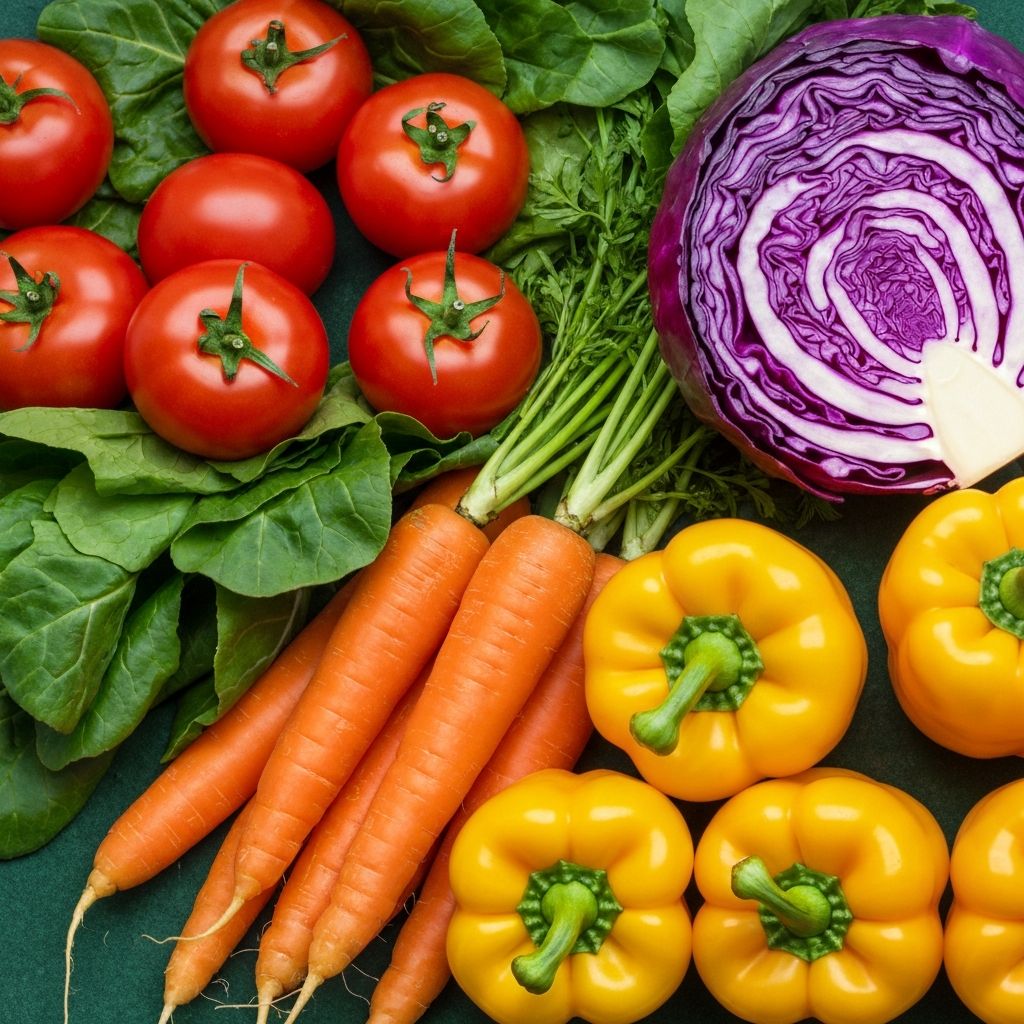
Learn moreFruits and vegetables represent a broad category of plant-based foods that have been part of human diets across cultures and time periods. These foods vary widely in colour, texture, taste, and nutritional composition.
This educational resource explores different aspects of fruits and vegetables, from seasonal availability to various preparation methods, without prescribing specific dietary approaches.
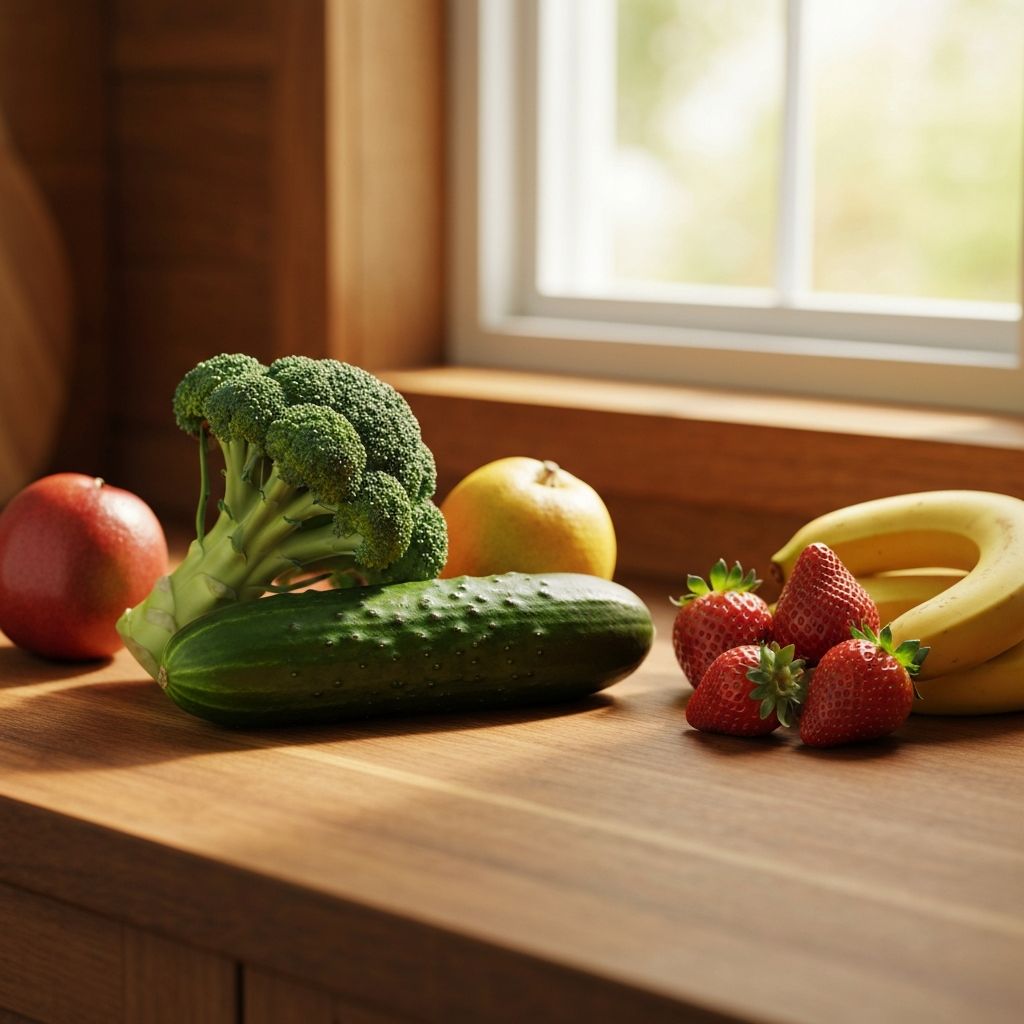
Including a variety of fruits and vegetables in meals can contribute to dietary diversity. Different produce items contain varying combinations of vitamins, minerals, and other compounds.
The concept of eating a rainbow of colours refers to selecting produce across the colour spectrum, as different pigments are associated with different nutrient profiles. This is an educational principle rather than a prescription.
Understanding the role of fruits and vegetables in a balanced diet helps individuals make informed choices based on their own preferences and circumstances.
There are numerous approaches to incorporating fruits and vegetables into meals throughout the day. Some people prefer fresh produce, while others may choose frozen or preserved options depending on availability and personal preference.
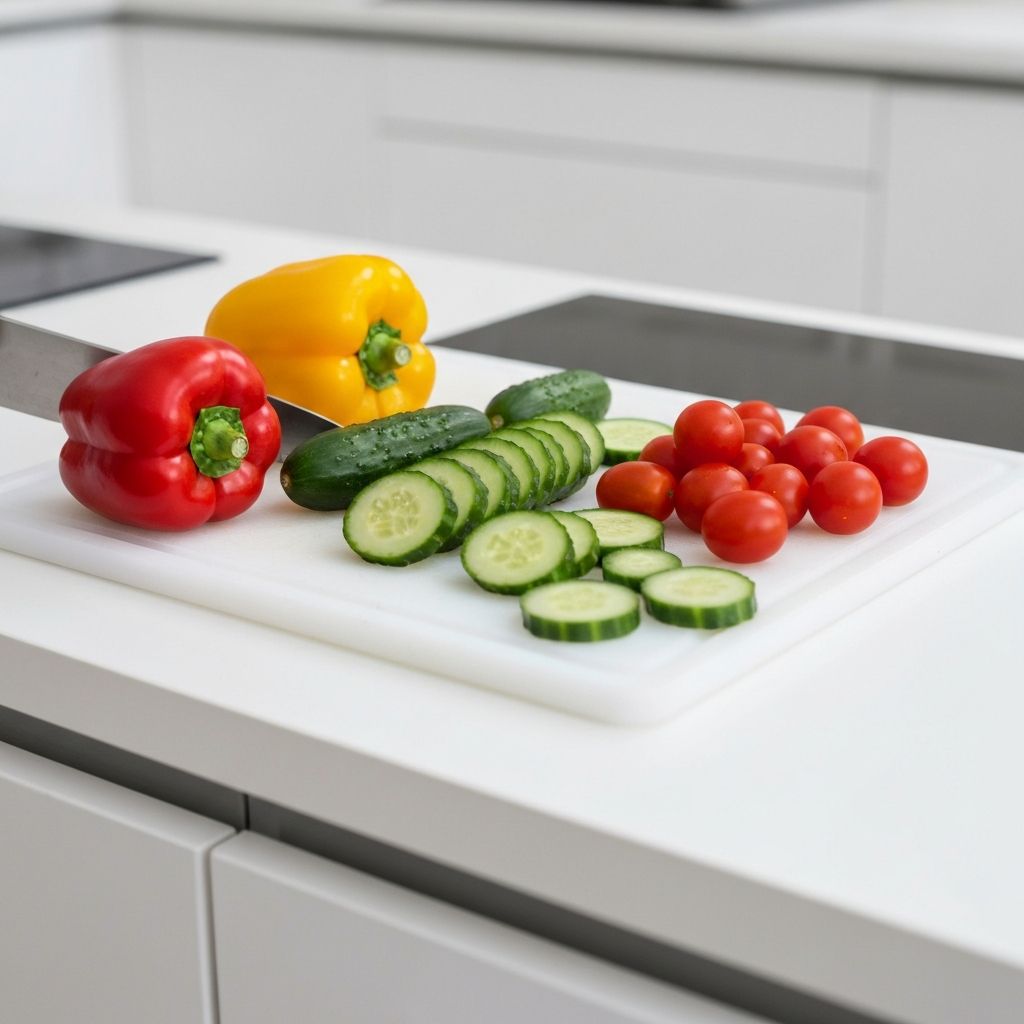
Common methods include adding vegetables to existing recipes, preparing fruit-based snacks, or exploring new preparation techniques. The approach varies based on individual schedules, cooking facilities, and taste preferences.
Educational resources can provide information about different options, but individual choices remain personal decisions based on multiple factors.
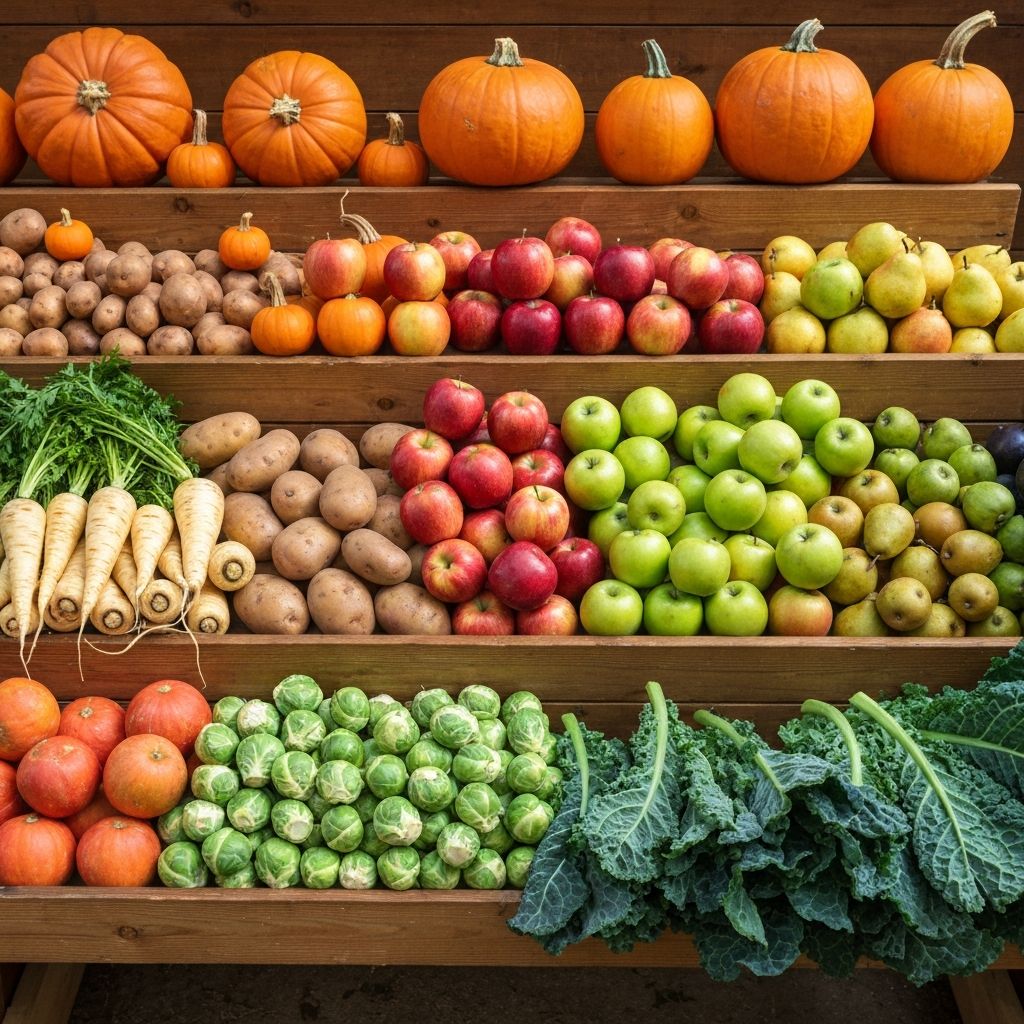
Different fruits and vegetables are available during different seasons depending on growing regions and agricultural practices. Seasonal produce often reflects local growing conditions and traditional harvesting periods.
Understanding seasonality can inform shopping choices and introduce variety throughout the year. However, modern supply chains and preservation methods make many produce items available year-round.
Exploring seasonal options is one way to experience different flavours and textures, though availability varies by location.
An educational look at various ways fruits can be part of morning meals, from whole fruits to prepared options.
Read in detailInformation about different vegetables commonly included in midday meals and various preparation approaches.
Read in detailExploring how fruits and vegetables fit into evening meals and between-meal eating occasions.
Read in detailWhat types of information does this site provide?
This site offers educational content about fruits and vegetables, including information about variety, seasonality, and general approaches to incorporating produce into meals.
Does this site provide personalised dietary advice?
No. The content here is purely informational and educational. It does not constitute personalised advice or recommendations for specific individuals.
Who might benefit from this information?
Anyone interested in learning more about fruits and vegetables from an educational perspective may find this content useful. However, individual dietary decisions should be based on personal circumstances and preferences.
Is this content backed by nutritional science?
The content reflects general educational information about produce. For specific nutritional guidance, individuals should consult appropriate resources based on their needs.
This website provides educational information only. The content does not constitute personalised advice, recommendations, or guarantees of any outcomes. Approaches to including fruits and vegetables in meals vary widely based on individual preferences, circumstances, and choices.
Dietary decisions are personal and multifaceted. This resource aims to explain concepts and provide context rather than direct or influence specific choices.
Educational content only. No medical services. No promises of outcomes.