Overview
Lunch traditions and patterns vary significantly across cultures, work environments, and individual lifestyles. Vegetables have been incorporated into midday meals in diverse ways throughout different societies and time periods. This article provides educational context about the role vegetables can play in lunch without prescribing specific approaches.
Variety of Vegetables
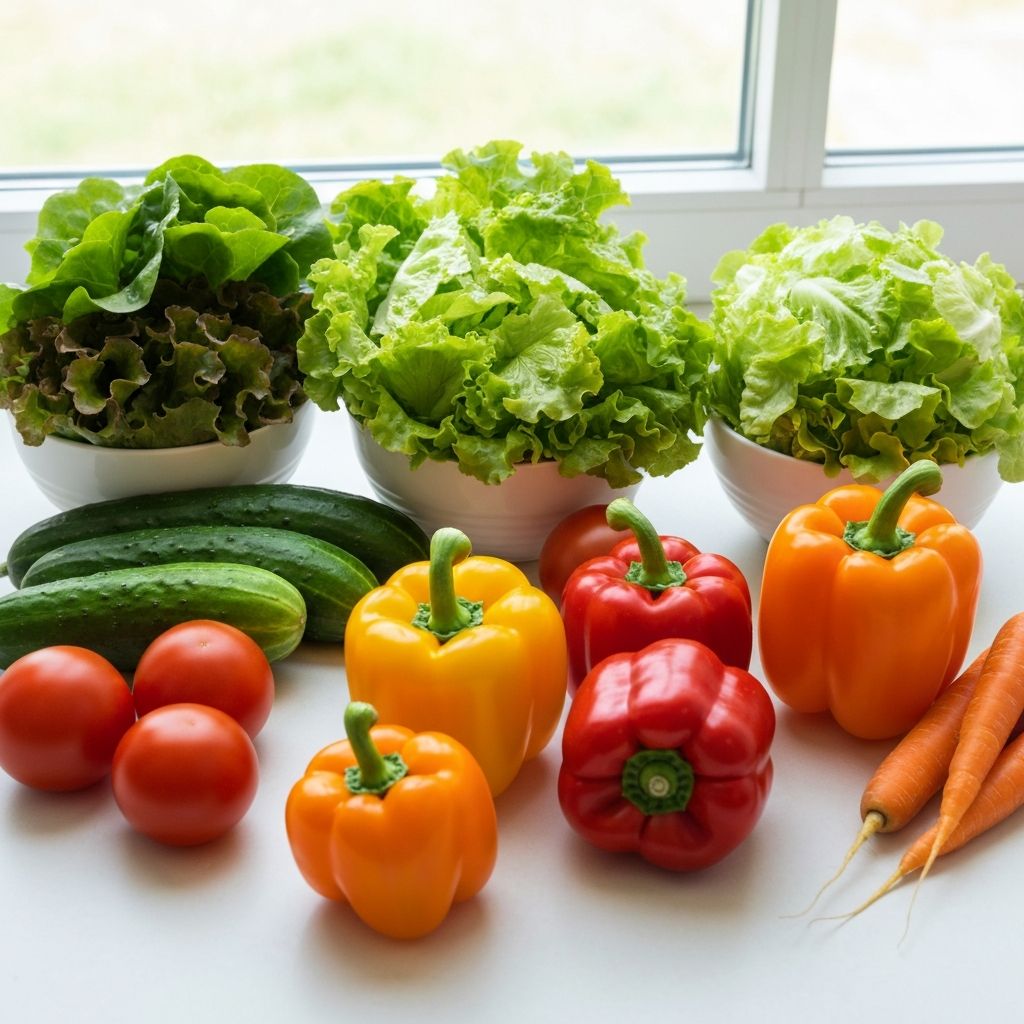
A wide range of vegetables exist that can potentially be part of lunch meals. These include leafy greens, root vegetables, cruciferous vegetables, and many others. The selection available to any individual depends on factors such as geographic location, season, supply chains, and local food culture.
Different vegetables have different characteristics in terms of preparation requirements, storage needs, and typical usage patterns in various cuisines.
Leafy Vegetables
Leafy vegetables such as lettuce, spinach, and cabbage appear in lunch contexts across many cultures. They can be consumed in various states of preparation and are often featured in cold preparations, though cooked applications also exist.
The method of including leafy vegetables in lunch varies based on individual preferences, available preparation time, and cultural traditions.
Root and Bulb Vegetables
Root vegetables like carrots, radishes, and beets, along with bulb vegetables such as onions, have different preparation and consumption patterns. Some are eaten raw, while others are typically cooked. The preparation method often reflects culinary traditions and personal preferences.
These vegetables generally have longer storage life compared to leafy varieties, which can influence purchasing and meal planning patterns.
Other Vegetable Categories
Additional vegetable types that appear in lunch contexts include tomatoes, peppers, cucumbers, and various others. Each has distinct characteristics and common usage patterns, though individual and cultural variations exist in how they are incorporated into meals.
Preparation Methods
Vegetables can be prepared for lunch in numerous ways, and the methods chosen reflect various factors including available time, facilities, and personal preferences:
Raw Preparations
Some vegetables are commonly eaten raw, either whole or cut. This approach requires minimal preparation time and no cooking facilities. The selection of raw vegetables depends on individual taste preferences and the specific vegetables available.
Cooked Preparations
Many vegetables can be cooked through various methods. Cooked vegetables might be prepared at home before lunch or obtained through other means such as workplace facilities or food service providers. The cooking method influences texture, flavour, and appearance.
Combined Preparations
Vegetables are often combined with other ingredients in lunch preparations. These combinations vary widely based on culinary traditions, available ingredients, and individual creativity.
Practical Considerations
Several practical factors influence how vegetables are included in lunch:
- Work environment and available lunch facilities
- Storage options for fresh produce throughout the morning
- Time available for lunch preparation and consumption
- Transportation considerations for packed lunches
- Budget allocated for lunch meals
- Personal taste preferences and food sensitivities
- Cultural norms around lunch eating
These factors interact in complex ways, and individuals balance them differently based on their unique circumstances.
Seasonal and Local Patterns
Vegetable availability varies by season and location. Some individuals align their lunch vegetable choices with seasonal availability, while others rely on year-round supply options. Both approaches exist, and neither is inherently superior.
Understanding what vegetables are locally and seasonally available can inform purchasing decisions, though individual choices about which vegetables to include in lunch remain personal.
Workplace and School Contexts
The context in which lunch is consumed influences vegetable inclusion patterns. Workplace environments, school settings, and home lunch scenarios each present different opportunities and constraints regarding vegetable consumption.
Factors such as available storage, reheating facilities, eating time, and social norms around lunch vary across these contexts and influence individual choices.
Limitations and Context
This article provides educational information only. It does not constitute personalised advice or recommendations about what individuals should eat for lunch. Lunch choices are highly personal and influenced by numerous factors including culture, preference, work environment, schedule, and individual circumstances.
The information presented describes various approaches that exist rather than prescribing specific actions. Dietary decisions remain individual choices based on personal situations.